Tools & Protocols
Microsoft brings Claude’s tool connections into Foundry
Foundry’s August Claude integration shows how tool discovery and connection management are becoming platform capabilities.
Genspark’s September 2026 specialist model ties autonomy to the creation, inspection, and revision of a usable presentation.
Read the analysis ↗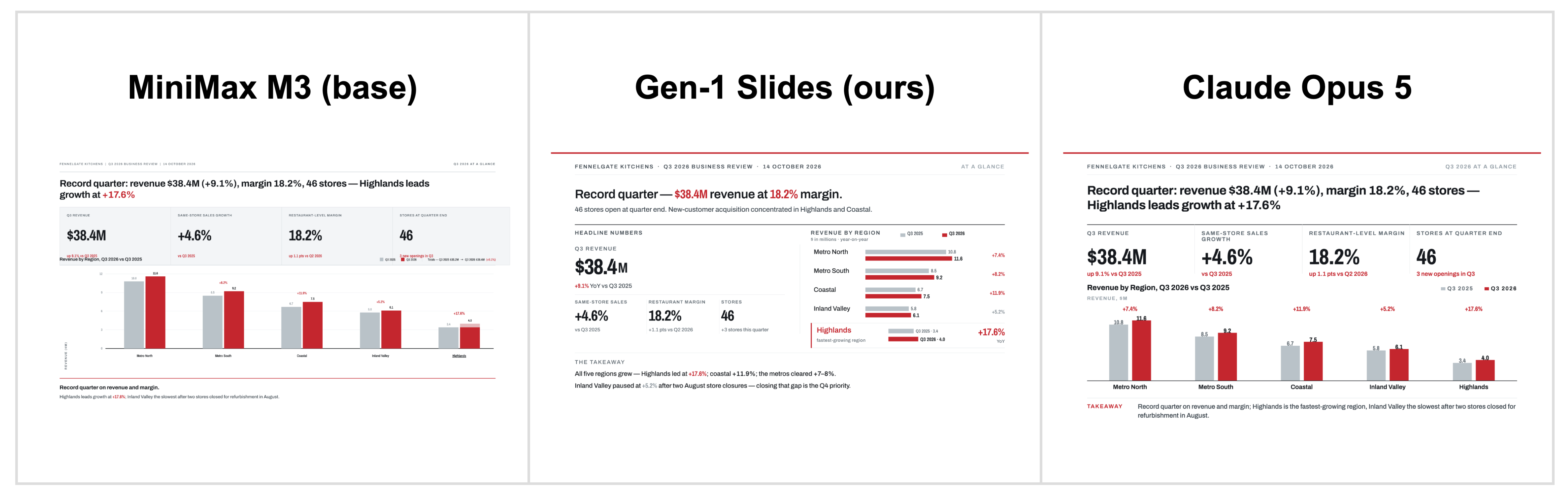
Foundry’s August Claude integration shows how tool discovery and connection management are becoming platform capabilities.
The 16-agent compiler prototype and Claude Research used different coordination mechanisms because they had different work to finish.
Anthropic’s evaluation and infrastructure studies show why a fluent final answer and a leaderboard score can both miss the real outcome.
Autonomous work inside real business processes.
Genspark’s September 2026 specialist model ties autonomy to the creation, inspection, and revision of a usable presentation.
The September launch of Rollouts and Security Reviewer extends Cursor’s agents from generating patches to monitoring their consequences.
GenOffice and Gen-1 Slides put the handoff to a human editor at the center of the office-agent promise.
The connections and contracts that let agents act.
Foundry’s August Claude integration shows how tool discovery and connection management are becoming platform capabilities.
Tool search and usage examples expose a practical limit on agent autonomy: the model must understand what each interface actually does.
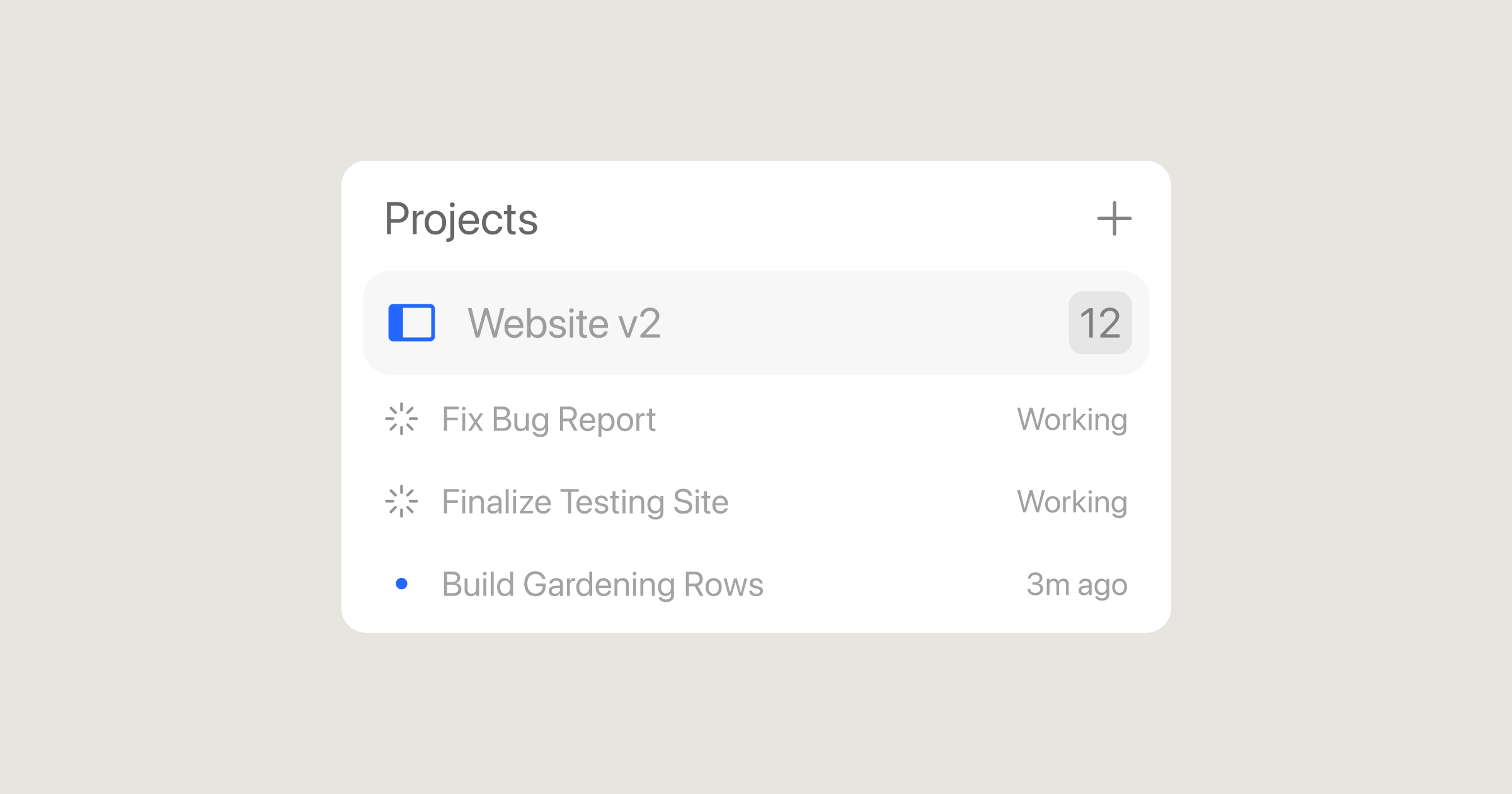
Cursor Projects and Anthropic’s long-running experiments show why remembering the conversation is only part of preserving progress.
Coordination, delegation, and the costs of collaboration.
The 16-agent compiler prototype and Claude Research used different coordination mechanisms because they had different work to finish.
A compiler reference and a deliberately isolated permission checker illustrate why multiple agreeing models are not enough.
Anthropic’s April architecture separates durable sessions, execution, and the changing logic that directs long-running work.
Repeated success, useful review, and bounded authority.
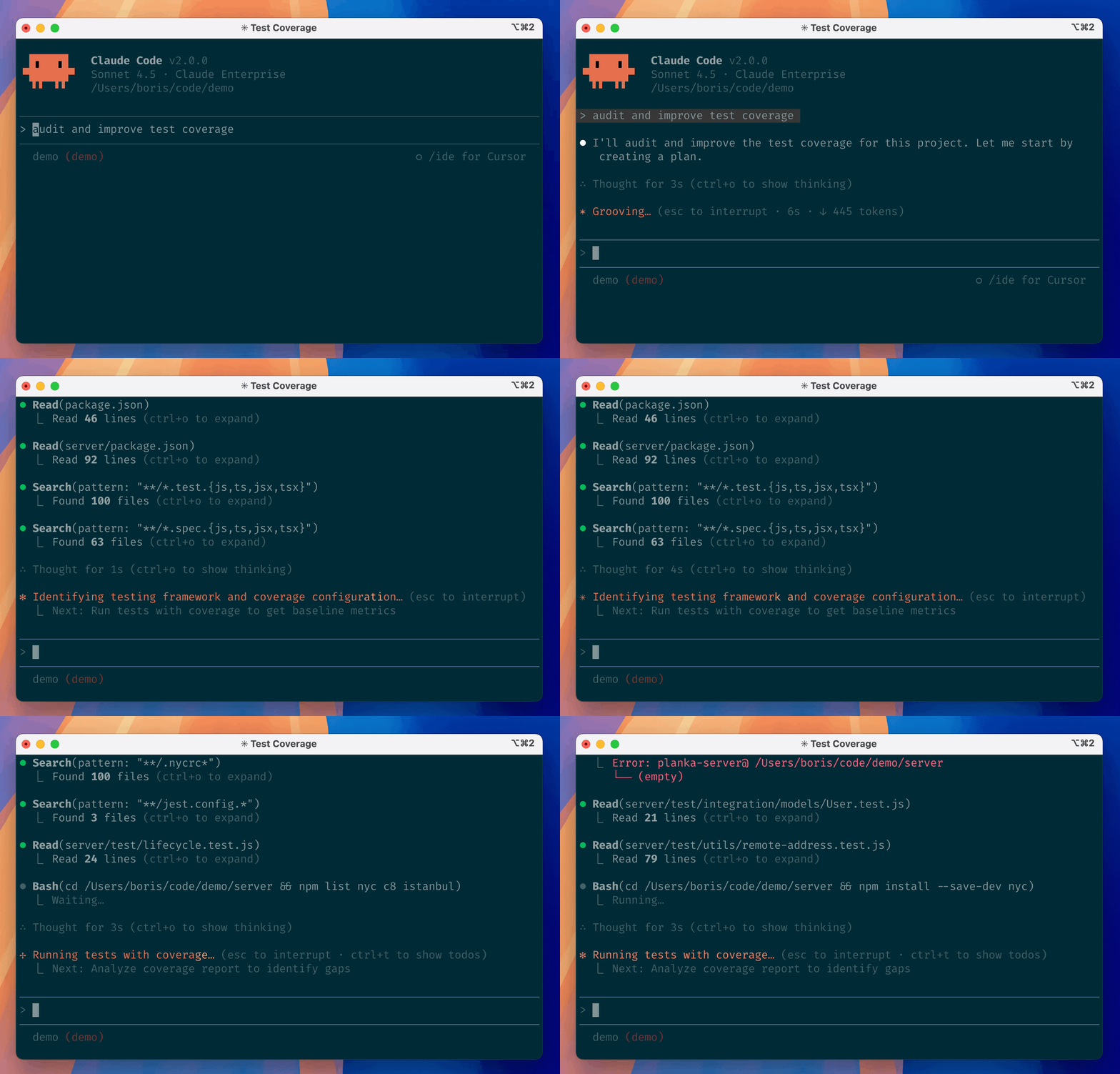
Anthropic’s evaluation and infrastructure studies show why a fluent final answer and a leaderboard score can both miss the real outcome.
The March permission design and September enterprise safeguards address different layers of the authority problem.
Cursor’s deployment monitoring and Anthropic’s testing reports ground self-correction in observations that can contradict the model.
The cost of completed work, not just generated tokens.
The September efficiency release shows how prompt structure, tool loading, and caching affect the price of autonomous work.
The July launch and August engineering account explain the signals behind automated model choice—and what those signals cannot prove.
Cursor’s efficiency changes and Anthropic’s context architecture show why useful memory must be selective, inspectable, and refreshable.